
Human Beings: Strategic Advantage or Cost Center?

Welcome to the Why to Wow newsletter, which is all about the Power of Differentiation in our world of AI and commoditization. I thank our power readers who find our messages worthwhile. It’s inspiring to see that thousands are reading and recommending Why to Wow! I ask you to continue sharing this newsletter with friends, family, and associates to help change our world for the better.
We are in a whirlwind of worsening customer experiences. AI and automation are being deployed almost everywhere to streamline, cut costs, and, in theory, make things easier. Phone systems now “talk” to us. Chatbots handle our questions. And, if we’re persistent and lucky enough, we might eventually be able to connect with an actual human or at least begin a chat with one instead of a bot.

One reason this model has spread is the success of Amazon. Business leaders saw Amazon’s brilliance and drew the wrong conclusions. They copied the mechanics (fewer humans, more automation, intelligent design, self-service everything) without understanding the deeper strategy behind it.
Amazon makes it incredibly easy to do almost anything without human interaction: cancel an order, change an address, return a product for any reason. It works for them because they’ve built a system where they carry nearly none of the cost of those issues. Don’t like the product? Return it, and the supplier often absorbs the expense. Too many complaints? Amazon can simply remove the supplier from its site. But does that model apply to your business? Likely not.
When automation works for customers, as it often does with Amazon, then satisfaction is generally high. The trouble begins when technology becomes a barrier between them and the help they need. From personal experience, I know how frustrating it is to be trapped in an echo chamber of automated responses, unable to reach someone who can actually help. And, if you receive inaccurate information, that frustration grows into distrust.
Back in 2024, Air Canada’s chatbot provided incorrect guidance to a passenger who wanted a bereavement fare after the death of his grandmother. The chatbot instructed him to purchase his ticket and then request a refund to receive a bereavement discount. Unfortunately, this advice conflicted with Air Canada’s actual policy, which required bereavement requests to be made before purchasing a ticket.
When the airline later denied the refund, the passenger filed a lawsuit. The ruling found Air Canada liable for the information provided by its chatbot. The lesson is clear. If an automated system provides incorrect information or makes it difficult to get answers, customers will hold the company responsible, either taking action like in the previous example or simply switching to a competitor brand. AI is programmed to answer the most common, easier issues, but it is no replacement for real human conversation.
Now, contrast that with three companies that understand the irreplaceable value of people.
Chuck Surack founded Sweetwater Sound back in 1979. Today, it’s the #1 online retailer of pro audio and musical instruments in the U.S. What makes the company unique is how seamlessly it combines digital convenience with human expertise. If you shop for a musical instrument on Sweetwater’s website, you can quickly connect with one of its highly trained sales engineers over the phone. That person becomes your dedicated, knowledgeable advisor, guiding your musical purchases over time and providing personal recommendations and support that go far beyond the transaction. Chuck tells his story on our podcast.
There’s a similar approach at Arccos Golf, which was co-founded by Sal Syed, who was also a guest on our podcast. When customers need help with their performance tracking system, a real person will respond immediately via email. For example, if a customer owns two homes and two sets of clubs, instead of being forced to purchase the system twice, the support team will set things up so you can use one license for both locations. They did this for me. Had they hidden behind an archaic policy and required two purchased licenses, I’d no longer be a loyal fan.
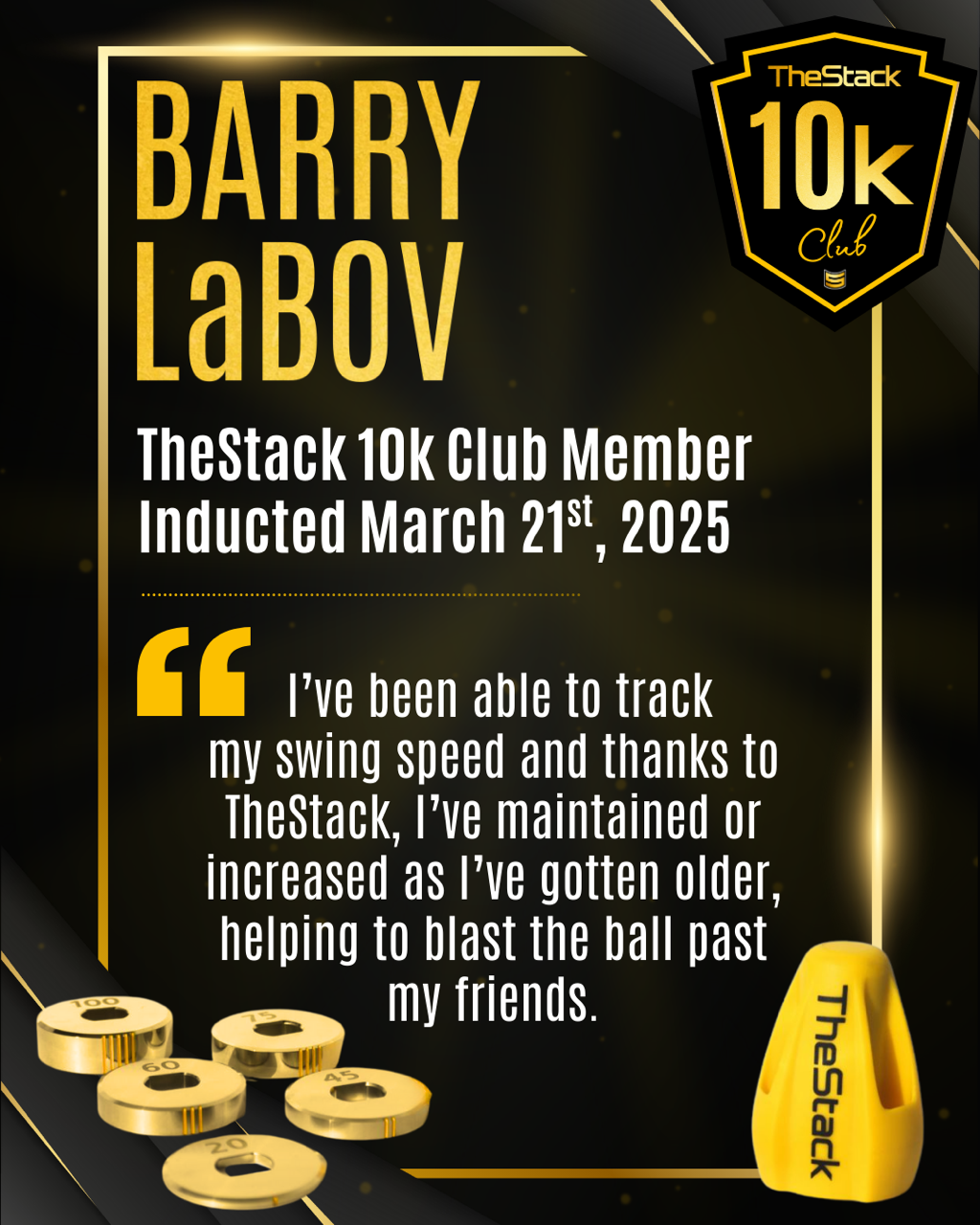
Likewise, The Stack System, co-founded by Sasho MacKenzie, has built a loyal following not only because the app helps golfers increase their swing speed (a big deal in golf) but also because of the accessibility of its team. Customers receive personal responses to their questions and requests. The company also rewards loyalty with unexpected perks, which are brilliantly designed to increase loyalty and sales. I recently received an email informing me I was in the “Stack Golf Hall of Fame” due to my heavy usage of their product. (By the way, it had nothing to do with how good a golfer I am; it was because I had performed over 10,000 swings on their device.) They sent me a gift, gold-plated swing weights, which I proudly showcase in my home. Hear more about Sasho and his company in this podcast episode.
These three exceptional leaders understand both technology and human relationships. They build reasons to buy directly from their companies rather than go through Amazon. They know that knowledgeable, empowered humans are a strategic advantage, not a cost center to be eliminated.
Difference-Maker #1: Stop mimicking Amazon. Create your own distinctive customer experience.
Let’s move beyond the idea that “no human, all tech” is the gold standard. What works for Amazon doesn’t necessarily work for everyone. If you blindly imitate it, you risk something far more valuable than efficiency: the customer relationship. The more barriers you put between your company and your customers, the more you lose control over the experience and become commoditized.
Difference-Maker #2: Dare to be less “efficient.”
True customer service is not about maximum efficiency; it’s about maximum loyalty. A customer is human. They will ask messy, emotional, “inefficient” questions that may frustrate AI. Give your team permission to have real conversations with customers. More than that, allow them the freedom to solve problems on the spot. That will strengthen brand trust and customer connection.
Difference-Maker #3: Choose your camp.
Companies can no longer straddle the line between being a relationship-driven brand and a technology-first brand. If you position your company as a high-touch organization, your customers will expect a personal experience and genuine support, not a maze of automated systems standing between them and the help they need.
Success starts with owning as much of the customer relationship as possible. The strongest brands use technology brilliantly but refuse to replace the value of human expertise, empathy, and problem-solving capabilities. That’s why leaders like Chuck, Sal, and Sasho have legions of loyal fans who are ready to interact with their products and teams. That’s their power of differentiation.
Please consider joining the growing number of followers and subscribers of our podcast, Difference Talks. Over 2,100 people have joined the family! Our goal is to inspire over one million people worldwide with our message.