
I Don’t Want to be the Leader, But I’ll be Darned if You’re the Leader.

Welcome to the Why to Wow newsletter which is all about inspiring the hearts and minds of people worldwide with the Power of Differentiation. In this Why to Wow newsletter, I share my experiences over the last 40+ years helping leaders differentiate their brands and products. Our goal is to inspire over one million people worldwide with our message. Reach out if you have any comments or questions.
That was more or less the statement I heard when I was 16 years old—though the language was saltier. I was in a rock band with some “really old guys” (they were all of 19 or 20 years old). We were jamming and getting ready to play our first gig when one of them asked, “So, who’s the leader of this band?” It was an important question. As members of the Musician’s Union, one of us had to file the paperwork before we could perform. All it took was signing your name as “leader.” Simple enough on paper—but to the band, it meant a lot more than that.

I was ready for one of the old guys to step up; frankly, it would have been a relief. At that precise second, the drummer, one of the “old guys,” made it crystal clear that he would not step up or answer to anyone else. “I’m not the leader, but I’ll be darned if any one of you is either.”
Isn’t this something we experience in business? We may have a great performer who’s “ascended” to the title of supervisor or manager, but has no real desire to lead—yet they won’t let anyone else usurp them. I’ve seen this inside companies of all sizes. A leader is someone who commands a group or organization. How many “leaders” (in title alone) have we known that did not command or lead effectively?
Many people who are labeled as leaders are actually excellent, talented soloists. Their greatest value is in their performance. The famous conductors of orchestras are seldom featured as solo violinists or pianists. The conductor inspires his or her super-talented musicians to perform at their best.
I was drawn to leading because I wasn’t a standout solo performer; I couldn’t play keyboards at an elite level, nor could I sing the high notes needed to pull off a song. I found my strength and passion in bringing people, performances, and creativity together to produce something inspiring. That meant working with crazy-talented people and guiding them to perform at the highest level possible. As a side note, when I say talented, I mean, for example, a drummer who not only was elite with the sticks, but was an accomplished cartoonist. Or a great lead singer who could play drums, bass, or guitar—whatever the band needed. Or a bassist who also played flute and English horn. My job was to showcase their talents.
I run my company much like I ran that rock band. I am not the most talented, nor am I envious of the talent that surrounds me. It’s my role to harness and focus it. And that means I must look at people for their unique gifts and strengths and accept that guiding, inspiring, and, yes, leading may not be in their wheelhouse, even though they happen to be superb solo performers.
Difference-maker #1: The word “leader” should not imply higher status than other titles.
Status-based titles can interfere with relationships and expectations. Manager, Vice President, and other labels are terms; they do not define the person or their talent.
Difference-maker #2: Leadership is about identifying the unique strengths and potential in your team and inspiring all to realize it fully.
It’s not about telling them what to do; it’s about unlocking the magic, the differentiation in each person and team.
Difference-maker #3: If we accept who we are, our organization will benefit.
A leader who resents the attention a top performer earns is missing the point. Likewise, the soloist who wants the title and status of a leader without honestly assessing their own strengths is missing the mark. True success is knowing who you are and being the best version of yourself.
If we accept that everyone is unique, then we must also reject formulaic definitions and expectations of ourselves based on tenure or title. In my opening rock band story, the seasoned virtuoso drummer was perfectly suited to express his talent with drumsticks in hand, while the 16-year-old young punk may have been the natural leader. Today, that no-longer-young punk is the keynote speaker with guitar in hand, hoping to inspire others.
Podcasts I Recommend
Here are two great podcasts I recommend if you’re looking for inspiring business insights.
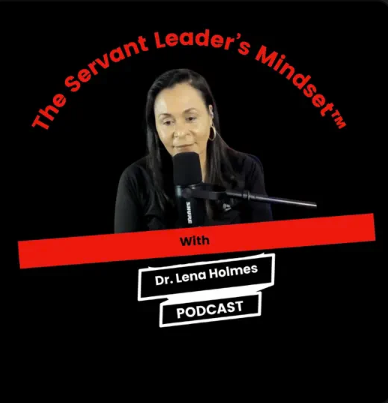
With a top 10% ranking on Listen Notes, The Servant Leader’s Mindset Podcast with Dr. Lena Holmes discusses critical leadership skills and competencies for effective leadership. The show is focused on leadership, faith, politics, and culture.
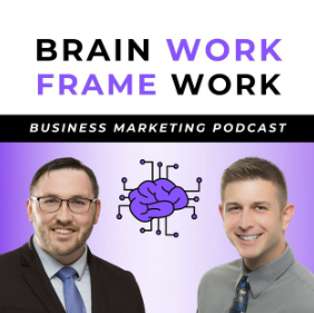
The Brain Work Frame Work podcast explores the psychology of high performance, creative thinking, and leadership through conversations with experts, entrepreneurs, and changemakers. With a growing global listenership and a dedicated community, it sparks thoughtful dialogue that helps listeners work smarter and lead with purpose.